In today’s dynamic healthcare landscape, access to reliable medical equipment supplies is crucial for ensuring quality patient care. Whether you’re a healthcare professional, facility manager, or an individual seeking home care solutions, understanding the intricacies of medical equipment can empower you to make informed decisions.
🩺 Understanding Medical Equipment Supplies
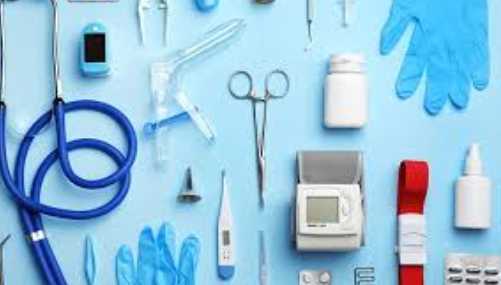
Medical equipment supplies encompass a broad range of devices and tools used for diagnostic, therapeutic, and monitoring purposes. These supplies are integral to patient care, aiding in everything from routine check-ups to complex surgical procedures.
Common Categories:
- Diagnostic Equipment: X-ray machines, MRI scanners, blood pressure monitors.
- Therapeutic Equipment: Infusion pumps, dialysis machines, surgical lasers.
- Monitoring Equipment: ECG machines, pulse oximeters, glucose monitors.
- Durable Medical Equipment (DME): Wheelchairs, hospital beds, walkers.
🔍 Classifications and Regulatory Oversight
In the United States, the Food and Drug Administration (FDA) classifies medical devices into three categories based on risk:
- Class I: Low risk (e.g., bandages, examination gloves). Subject to general controls.
- Class II: Moderate risk (e.g., infusion pumps, surgical drapes). Require special controls in addition to general controls.
- Class III: High risk (e.g., pacemakers, implantable defibrillators). Subject to premarket approval to ensure safety and effectiveness.
Understanding these classifications helps in assessing the regulatory requirements and ensuring compliance when procuring equipment.
🛒 Choosing the Right Medical Equipment Supplier
Selecting a reliable supplier is crucial for quality assurance and uninterrupted healthcare services. Consider the following factors:
- Certification and Compliance: Ensure the supplier complies with FDA regulations and holds necessary certifications.
- Product Range: A diverse inventory indicates the ability to meet various medical needs.
- Customer Support: Responsive customer service for inquiries, maintenance, and emergencies.
- Reviews and Testimonials: Feedback from other clients can provide insights into reliability and service quality.
🌐 Embracing Technological Advancements
The medical equipment industry is witnessing rapid technological innovations:
- Telemedicine Integration: Devices compatible with telehealth platforms for remote monitoring.
- AI and Machine Learning: Equipment with predictive analytics for proactive patient care.
- Portable and Wearable Devices: Enhancing patient mobility and continuous monitoring.
Staying abreast of these advancements ensures that healthcare providers can offer cutting-edge care.
💡 Tips for Healthcare Facilities
- Regular Training: Staff should be trained on the latest equipment to maximize utility and ensure patient safety.
- Maintenance Schedules: Implement routine checks and servicing to prolong equipment lifespan.
- Inventory Management: Keep track of supplies to prevent shortages or overstocking.
🔗 Trusted Medical Equipment Suppliers
When sourcing medical equipment, partnering with reputable suppliers ensures quality and reliability. Here are some notable providers:
- McKesson Medical-Surgical: Offers a comprehensive range of medical-surgical supplies and equipment.
- Henry Schein Medical: Provides a wide selection of medical supplies, equipment, and pharmaceuticals.
- USA Medical and Surgical Supplies: Your source for thousands of medical, surgical, and home medical products.
- Medline: Delivers medical-surgical products and supply chain solutions.
- Byram Healthcare: Specializes in home medical supplies with insurance billing support.
📞 Need Assistance?
Navigating the world of medical equipment supplies can be daunting. Whether you’re setting up a new facility or upgrading existing equipment, expert guidance can make the process seamless.
Contact Us Today:
📞 Phone: 877-806-5324
📧 Email: info@allhouseservices.com
🌐 Website: www.allhouseservices.com
Our team at All House Services is dedicated to connecting you with top-tier medical equipment suppliers tailored to your specific needs.


